What Is a Water Fountain? Understanding the Art and Technology Behind Modern Water Features
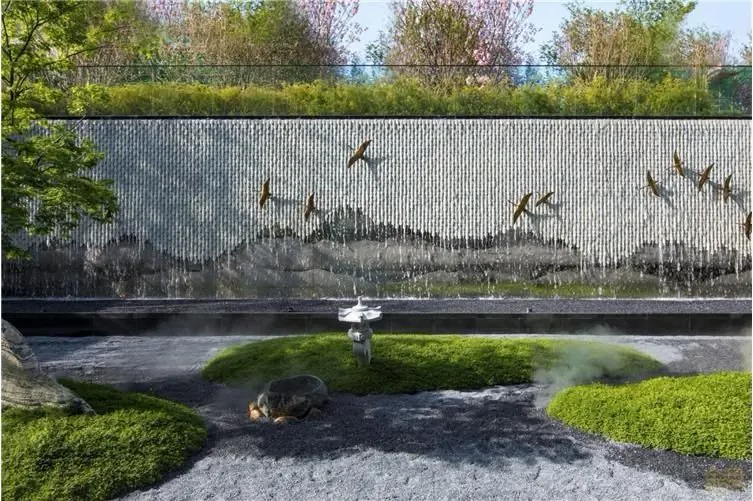
A water fountain is more than simply water flowing or spraying into the air. In modern architecture and landscape design, a fountain can become a defining visual element — combining water, movement, light, sound, and technology to transform an ordinary space into an engaging environment.
From elegant decorative fountains in hotels and residences to large-scale architectural fountains in commercial developments and public spaces, water features can be designed for a wide range of applications.
Today, modern water fountain technology allows designers, architects, landscape professionals, and developers to create water displays that are not only visually impressive but also carefully engineered for long-term operation.
What Is a Water Fountain?
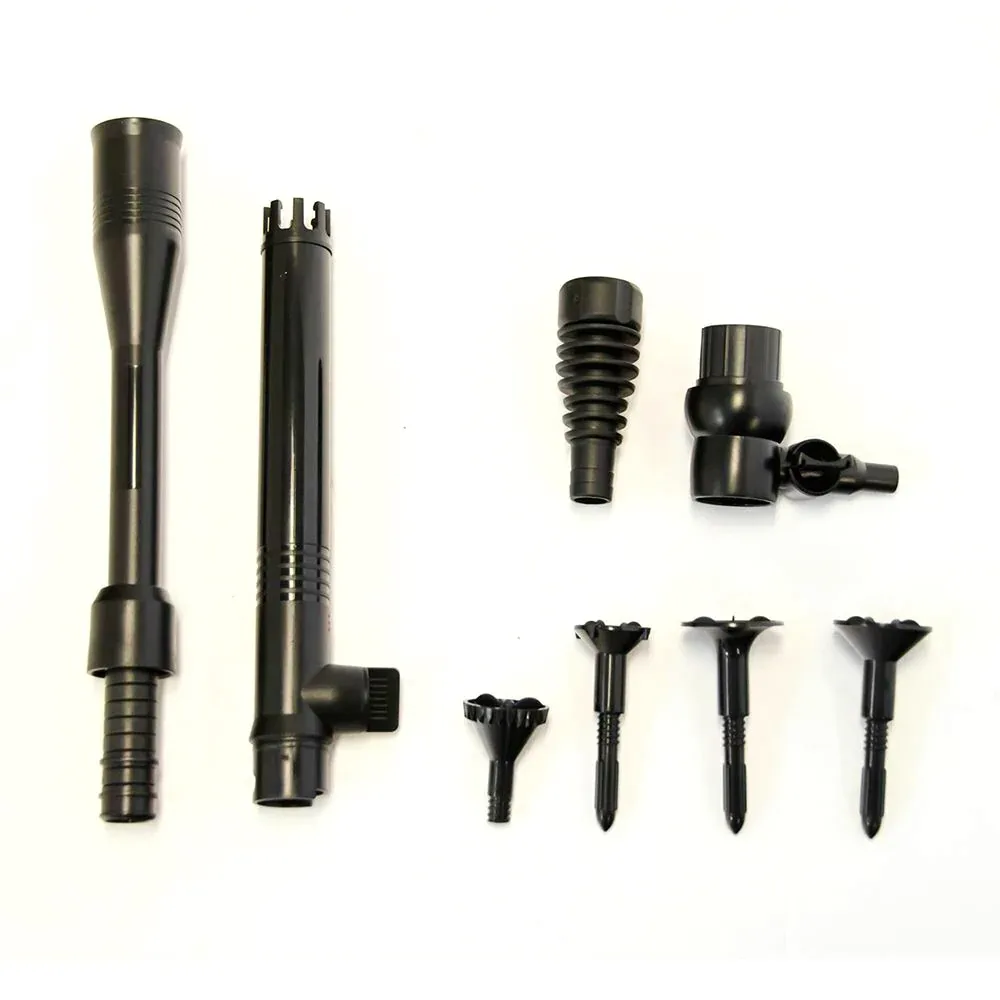
A water fountain is a water feature designed to circulate and control water through a combination of pumps, piping, nozzles, valves, lighting, and control systems.
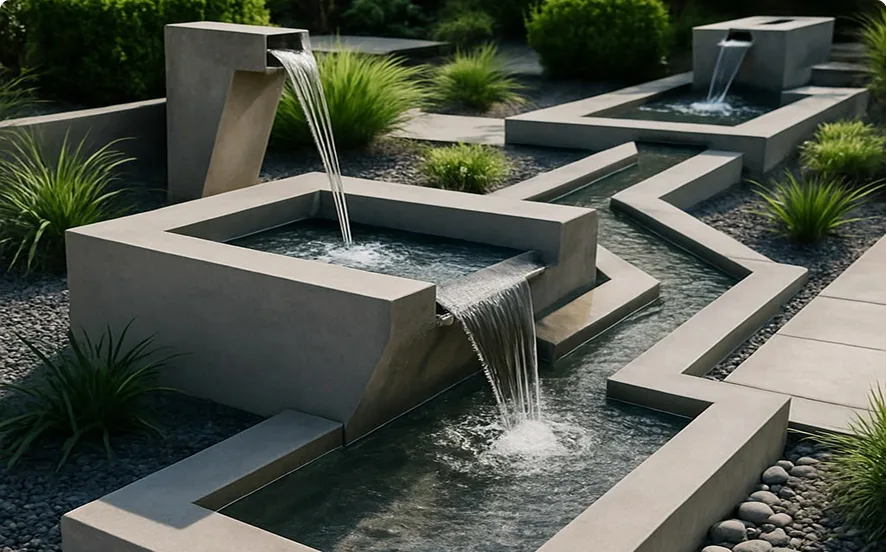
Depending on the design, water can be projected vertically, shaped into different patterns, cascaded over surfaces, or programmed to move in coordinated sequences.
The final appearance of a fountain depends on many factors, including the selected fountain nozzle, water flow, pressure, pump capacity, fountain basin, lighting, and overall design concept. This makes every water fountain project unique.
The Role of Water Fountains in Modern Architecture
Water has always been an important element in architecture and landscape design. However, modern fountain technology has expanded the possibilities far beyond traditional decorative fountains.
A carefully designed fountain can become a focal point at a building entrance, create an atmosphere in a hotel courtyard, enhance a public plaza, or become a landmark within a larger development.
Water features are commonly found in:
- Hotels and resorts
- Shopping malls
- Residential developments
- Commercial buildings
- Public spaces
- Parks and gardens
- Restaurants
- Swimming pools
- Entertainment venues
- Event and wedding venues
More Than Decoration
One of the biggest advantages of a water fountain is its ability to create movement. Architecture often consists of solid and static materials such as concrete, glass, steel, and stone. Water introduces a dynamic element that changes continuously.
The movement of water can make a space feel more vibrant, elegant, relaxing, or dramatic depending on the fountain design. When combined with lighting, the same fountain can also create an entirely different visual experience after sunset.
Water, Light, and Movement
Modern water features often combine several technologies to create a complete visual experience. Water fountain lighting can illuminate individual jets, highlight architectural details, or create changing colors throughout a fountain display.
In more advanced installations, pumps, valves, nozzles, and lighting can be controlled through a central system. This makes it possible to create programmed sequences and coordinated water movements. The result can range from a simple decorative water feature to a sophisticated dancing fountain or large-scale water show.
Types of Water Fountains
Water fountains can be classified in many different ways depending on their application.
Professional Fountains
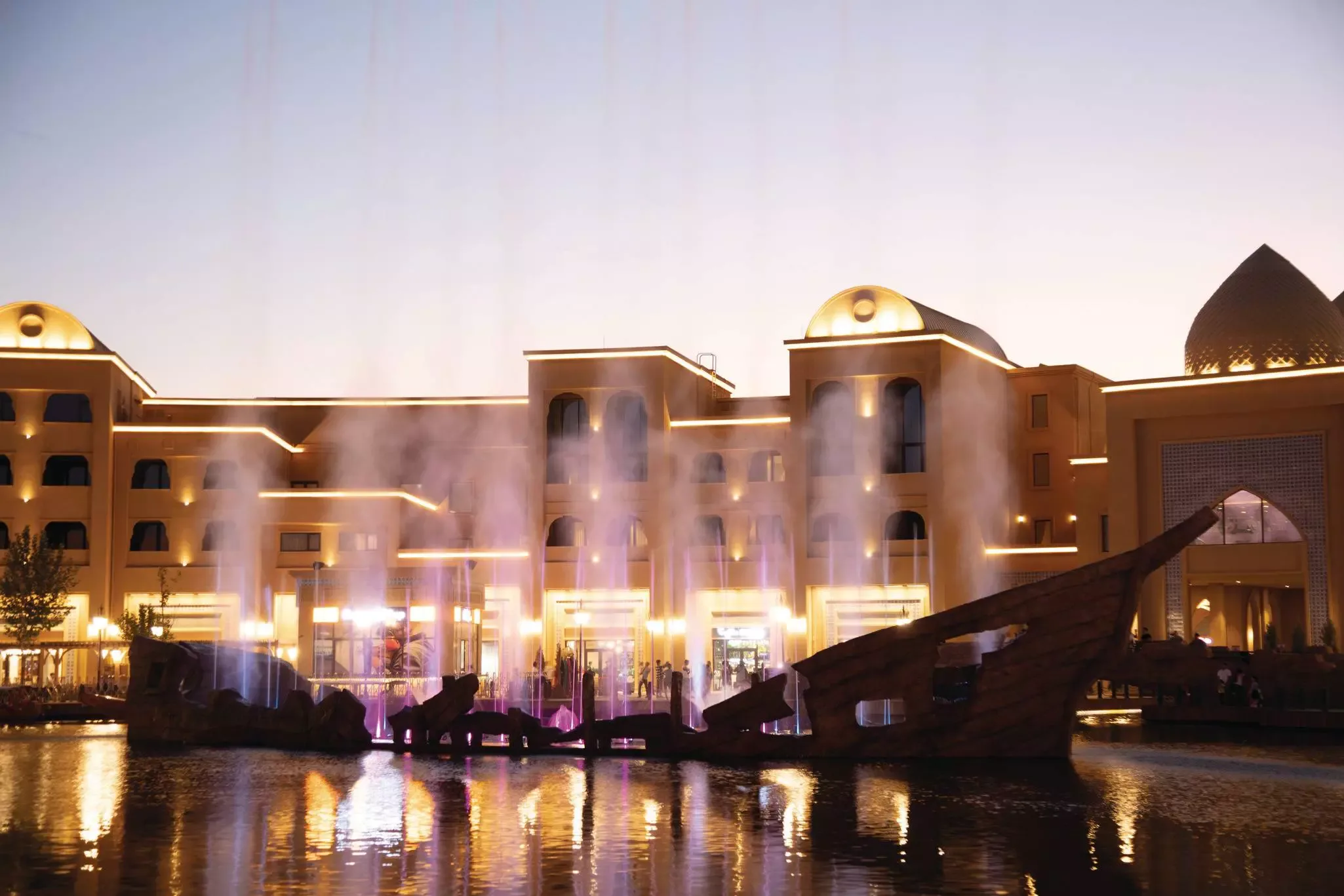
Professional fountains are typically designed for larger architectural, commercial, public, or landmark projects.
These systems may involve numerous nozzles, multiple pumps, complex piping, lighting, water treatment, and automated control systems.
Decorative Fountains
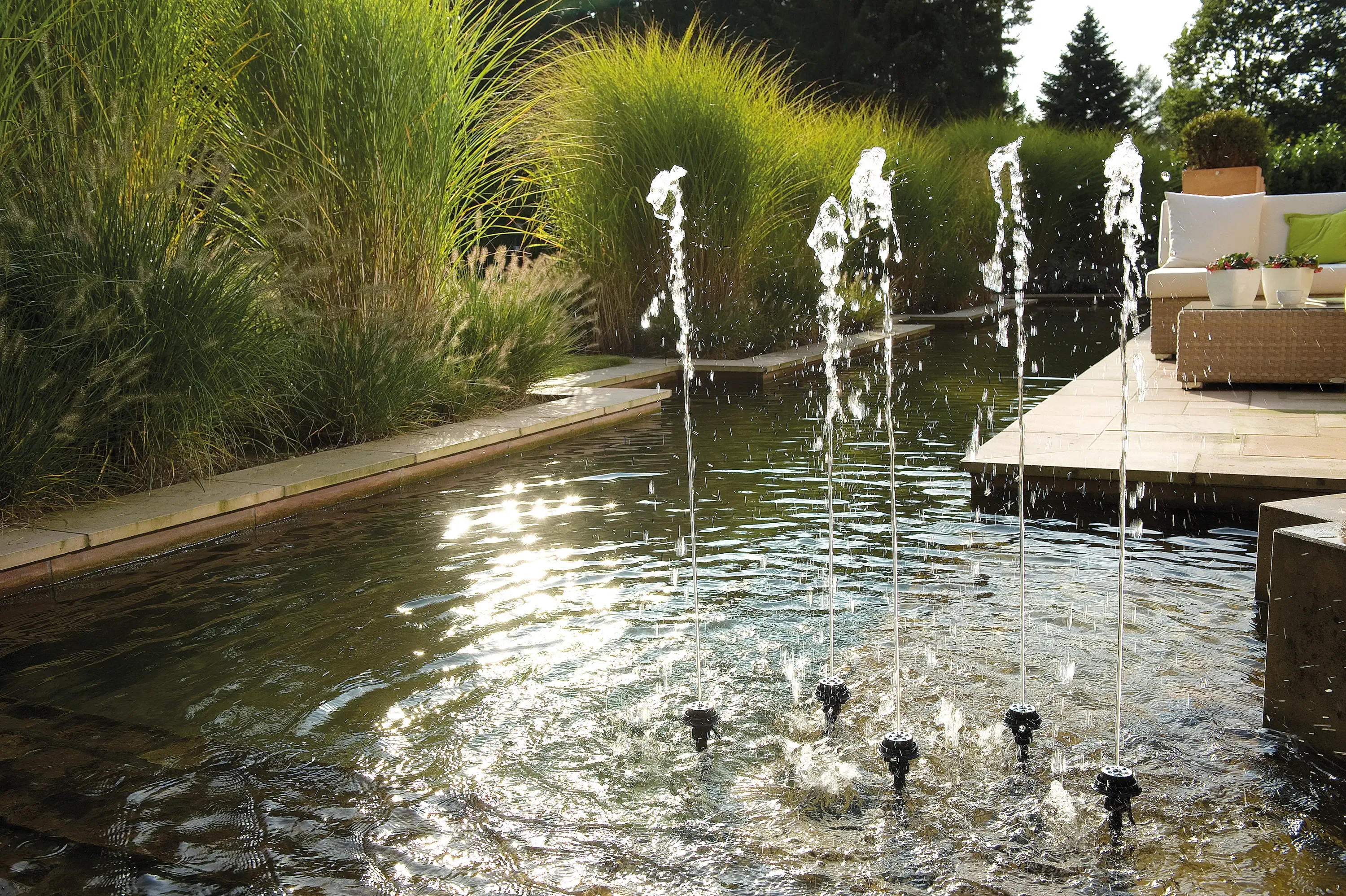
Decorative fountains are commonly used in gardens, hotels, residential properties, restaurants, lobbies, ponds, and landscape projects.
Their primary purpose is often to enhance the appearance and atmosphere of a space.
Event Fountains
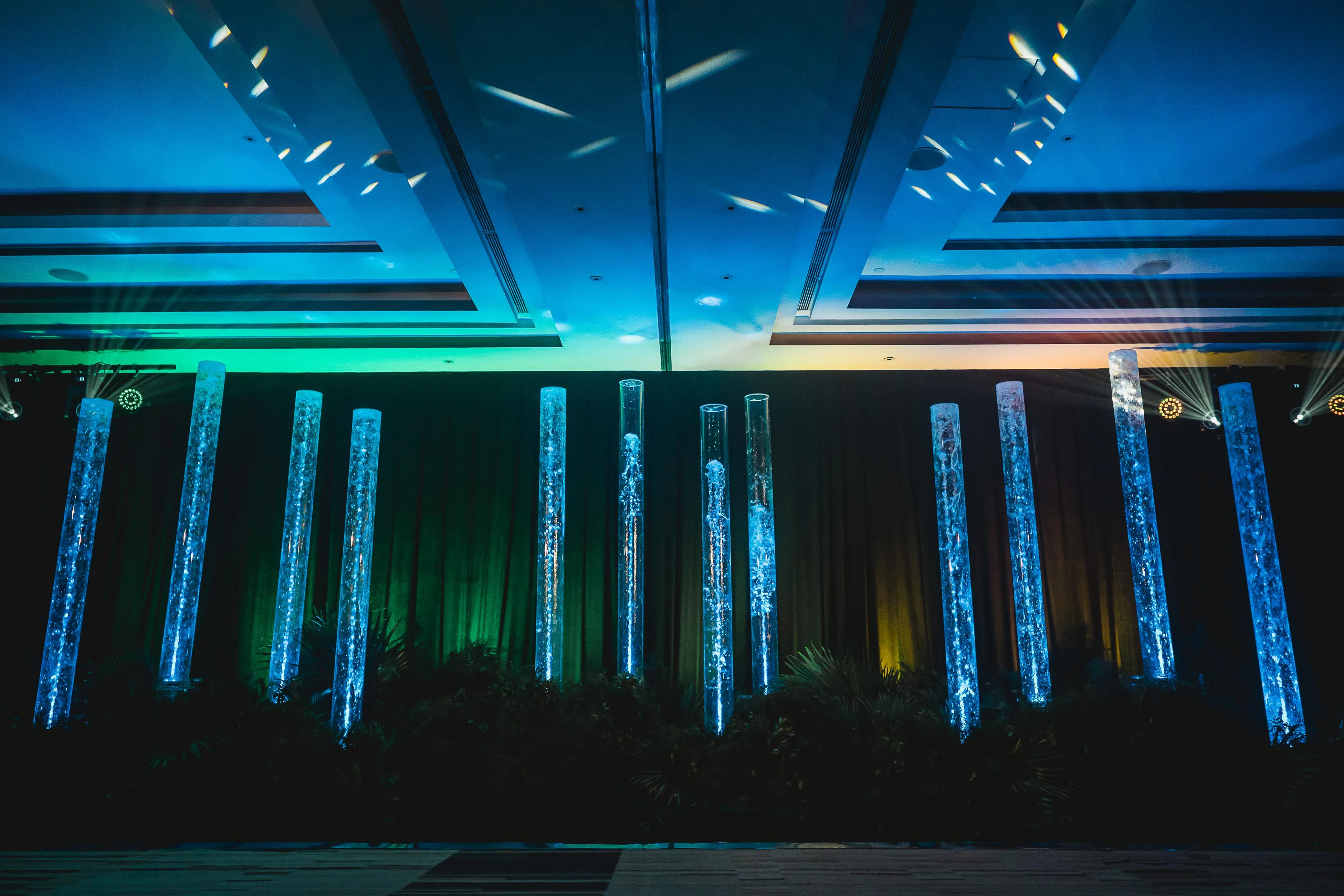
Event fountains are designed for temporary installations such as weddings, exhibitions, product launches, corporate events, and entertainment venues.
These systems can be designed for quick installation and can create strong visual effects within a limited event space.
Designing a Water Fountain
A successful fountain project starts long before the pump is installed. The design process should consider the available space, desired water effect, fountain height, water volume, hydraulic requirements, electrical requirements, maintenance access, lighting, and control system.
For larger projects, hydraulic calculations are particularly important. The fountain pump needs to provide the required flow and pressure while accounting for piping losses and the characteristics of the selected nozzles.
This is why choosing a fountain pump simply based on motor power is not enough.
OASE Water Feature Technology
OASE has developed a broad range of technologies for water features and fountain applications, from decorative water features to professional fountain systems.
The right combination of pump, nozzle, lighting, filtration, and control technology allows a water feature to be designed around the requirements of each individual project.
For architects, landscape designers, developers, and property owners, this approach provides greater flexibility when developing a water feature that needs to fit both the visual concept and technical requirements of a project.
Water Fountains in Indonesia
Indonesia offers a wide range of opportunities for water feature applications. Hotels, resorts, shopping malls, residential developments, commercial areas, public spaces, and event venues can all benefit from professionally designed water features.
Climate, site conditions, available space, water quality, maintenance requirements, and operating conditions should all be considered when designing a fountain for the Indonesian market.
Bringing Water to Life
A well-designed water fountain can do more than decorate a space.
It can become a landmark, strengthen the identity of a development, improve the visitor experience, and create a memorable connection between architecture and nature.
At PUMP, together with OASE, we provide water feature solutions for projects ranging from decorative installations to professional fountain systems and event applications.
Whether the requirement is a small decorative water feature or a large architectural fountain, the right combination of design, engineering, and technology can transform water into an integral part of the space.