Water Fountain Design: Creating Beautiful Spaces with Water, Light, and Movement
Great water fountain design is where architecture, landscape, engineering, and creativity come together. A fountain can be simple or highly sophisticated, but the most successful water features are usually those that feel naturally connected to the space around them.
Whether the project is a luxury hotel, shopping mall, residential development, public plaza, resort, or event venue, water can become a powerful design element when it is carefully integrated into the environment.
Designing Water as an Architectural Element
Traditional architecture relies heavily on permanent materials such as stone, concrete, metal, and glass. Water introduces movement.
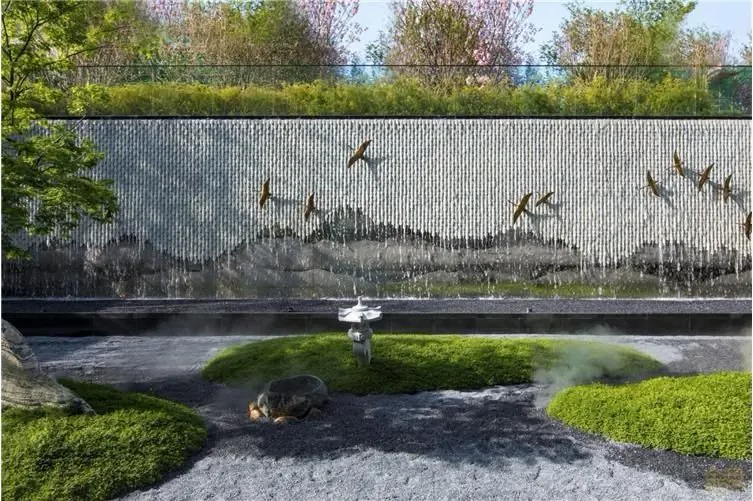
A water fountain can continuously change the visual character of a space through the movement, reflection, sound, and interaction of water. This makes water particularly valuable for landscape and architectural projects.
A fountain can frame an entrance, define a central plaza, guide visitors through a space, or create a focal point within a landscape.
The Importance of Proportion
One of the most important principles in fountain design is proportion. The fountain should relate to the size and scale of the surrounding environment.
A small fountain may disappear within a large plaza, while an oversized fountain may overwhelm a small courtyard. The height and width of water jets should also be considered in relation to viewing distance.
Good design balances the fountain with its surroundings.
Water Movement Creates Emotion
Different water movements create different impressions.
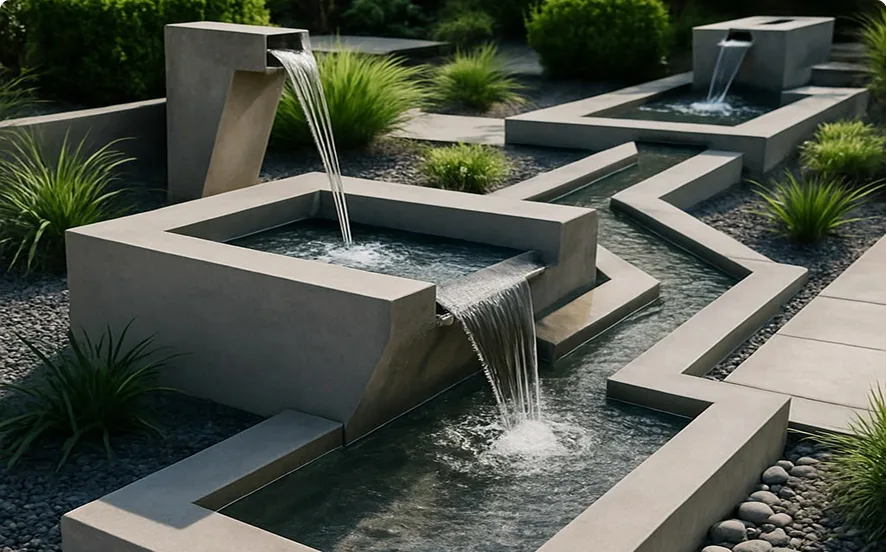
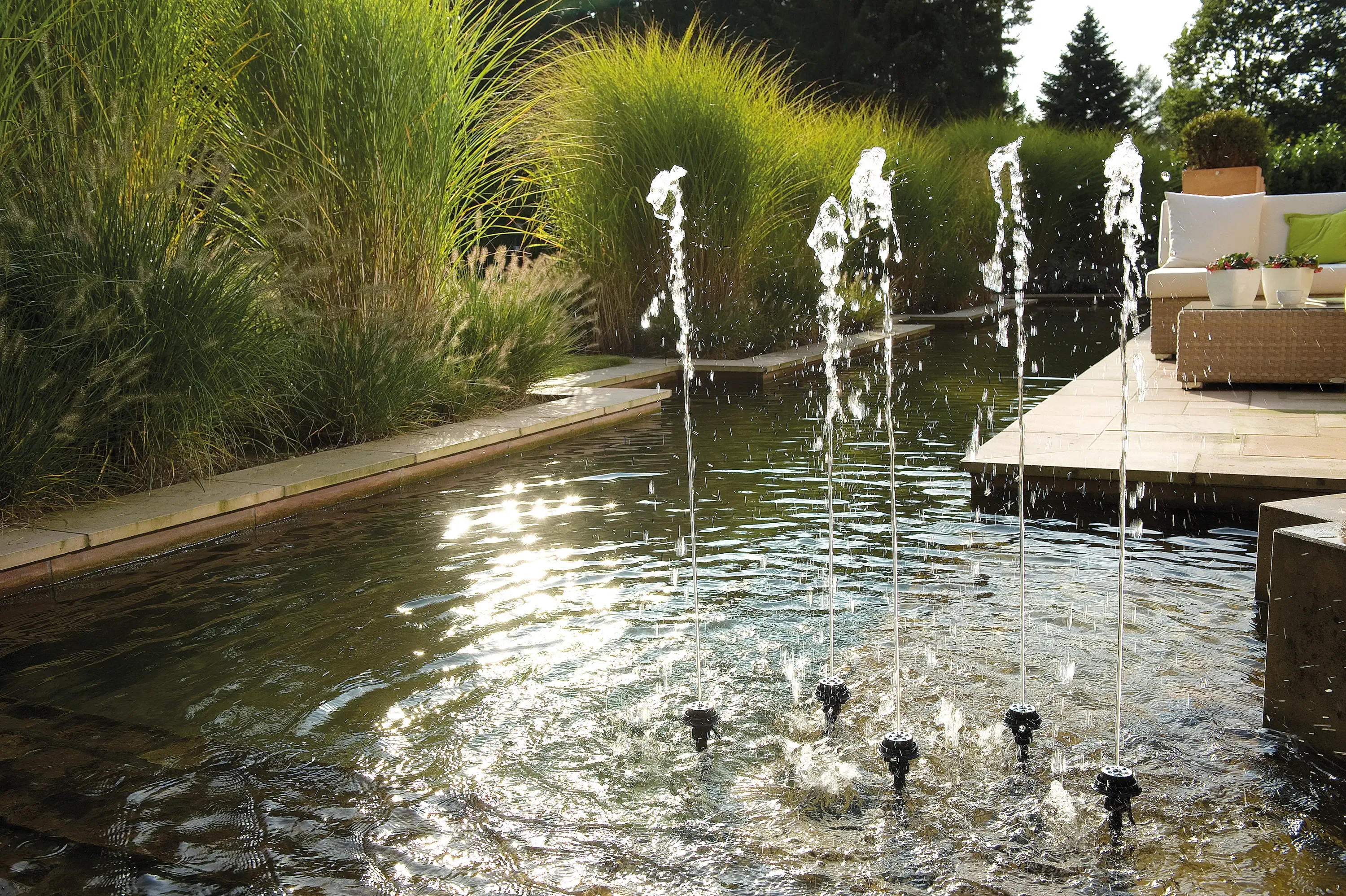
A calm, slow-moving water feature can create a relaxing atmosphere. A high vertical jet can create energy and excitement. A synchronized multi-jet fountain can create a sense of movement and entertainment. A cascading fountain can create a natural connection between different levels of a landscape.
The designer can therefore use water movement as part of the emotional character of the space.
Adding Light to the Design
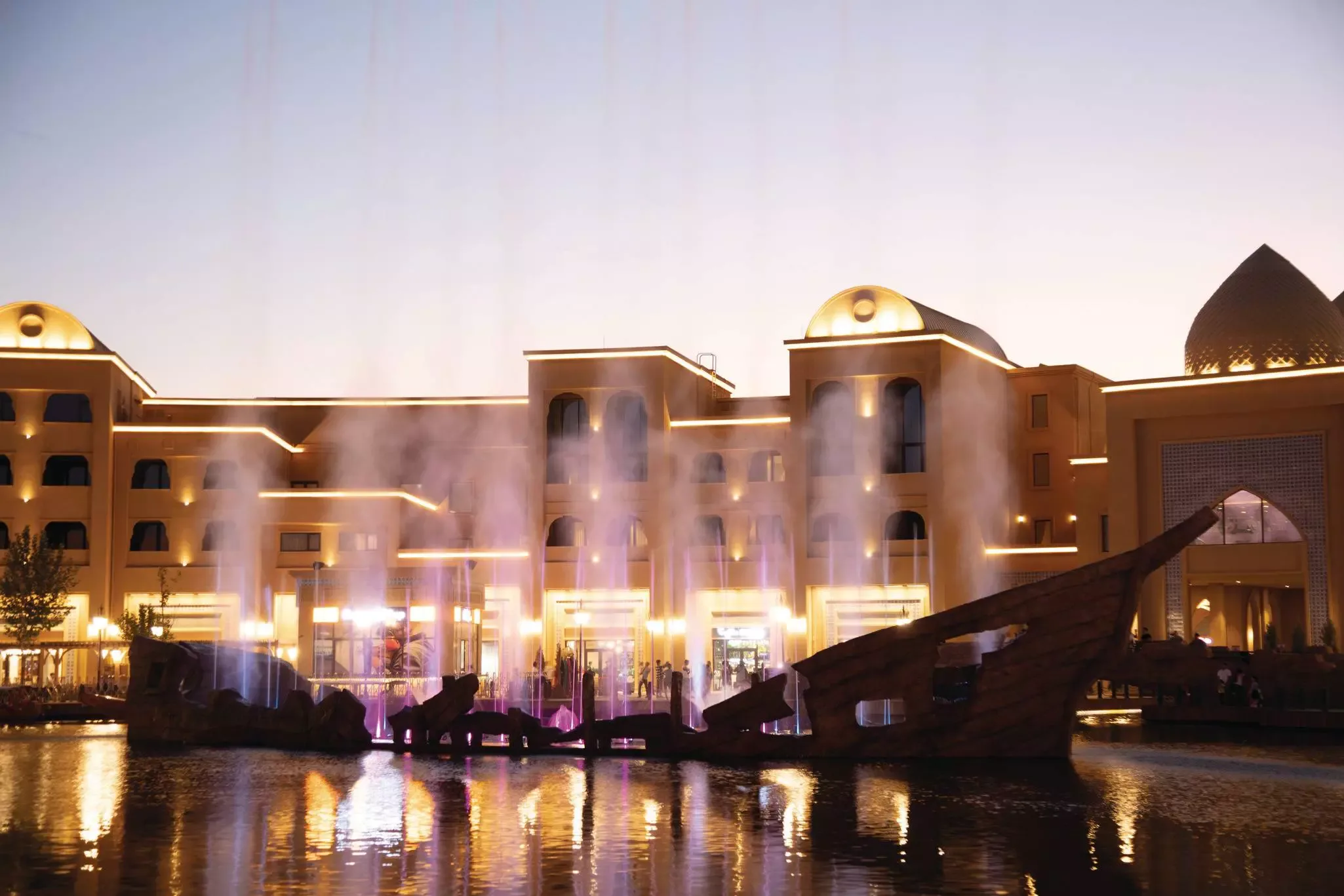
Lighting is one of the most effective ways to extend the visual impact of a fountain into the evening. Underwater lighting can illuminate individual jets while minimizing visible equipment.
The position of the lighting is important.
A light source that is poorly positioned may produce glare or fail to highlight the water correctly. Properly designed lighting can instead make individual streams of water appear more defined and dramatic.
For larger fountain systems, lighting can also be programmed together with the water movement.
Designing for Day and Night
A fountain should ideally be considered as two experiences: daytime and nighttime.
During the day, the architecture, landscape, water movement, and surrounding environment are the dominant visual elements.
At night, lighting becomes a much more important part of the composition.
This is particularly relevant for hotels, shopping malls, restaurants, entertainment venues, and public spaces that remain active after sunset.
Designing for Different Projects
Hotels and Resorts
Water fountains can help establish a sense of arrival and create a premium atmosphere.
Entrance fountains, courtyard water features, swimming pool features, and landscape fountains can all contribute to the guest experience.
Shopping Malls and Commercial Developments
Large fountains can become visual landmarks and gathering points.
In high-traffic environments, fountain design may also incorporate programmed movements and lighting to create an attraction for visitors.
Residential Projects
Residential fountains tend to focus on atmosphere, landscape integration, and visual comfort.
A smaller decorative water feature can create a strong focal point without dominating the property.
Public Spaces
Public fountains can become part of the identity of a city or development.
These projects often require greater attention to durability, safety, maintenance, water management, and long-term operation.
Events and Weddings
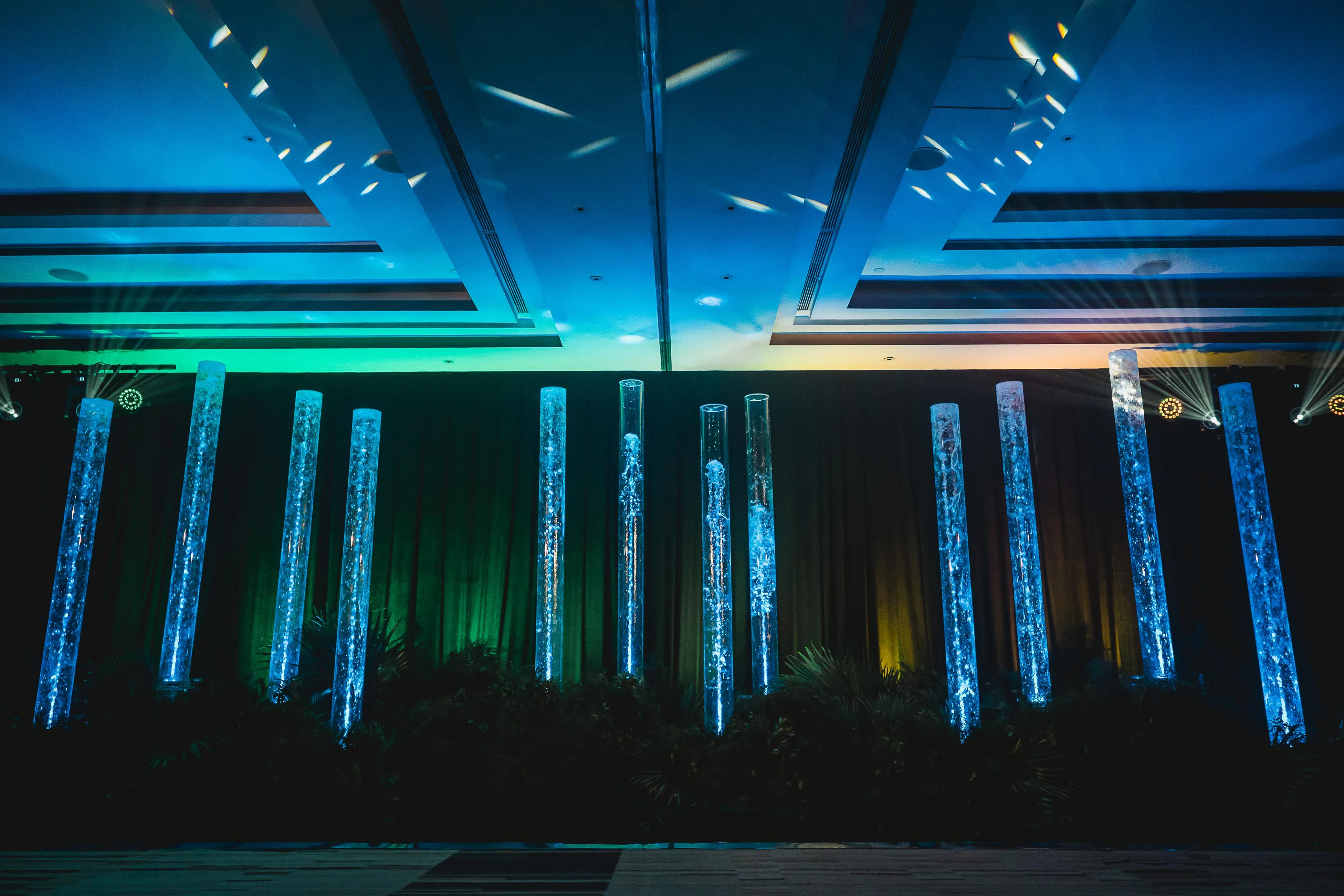
Event fountain design is focused on creating a strong visual effect within a temporary environment.
Water jets, lighting, and positioning can be designed around the stage, dining area, entrance, or main event space.
The Engineering Behind the Design
Beautiful fountain design still requires sound engineering. The visual concept needs to be translated into a functioning hydraulic system.
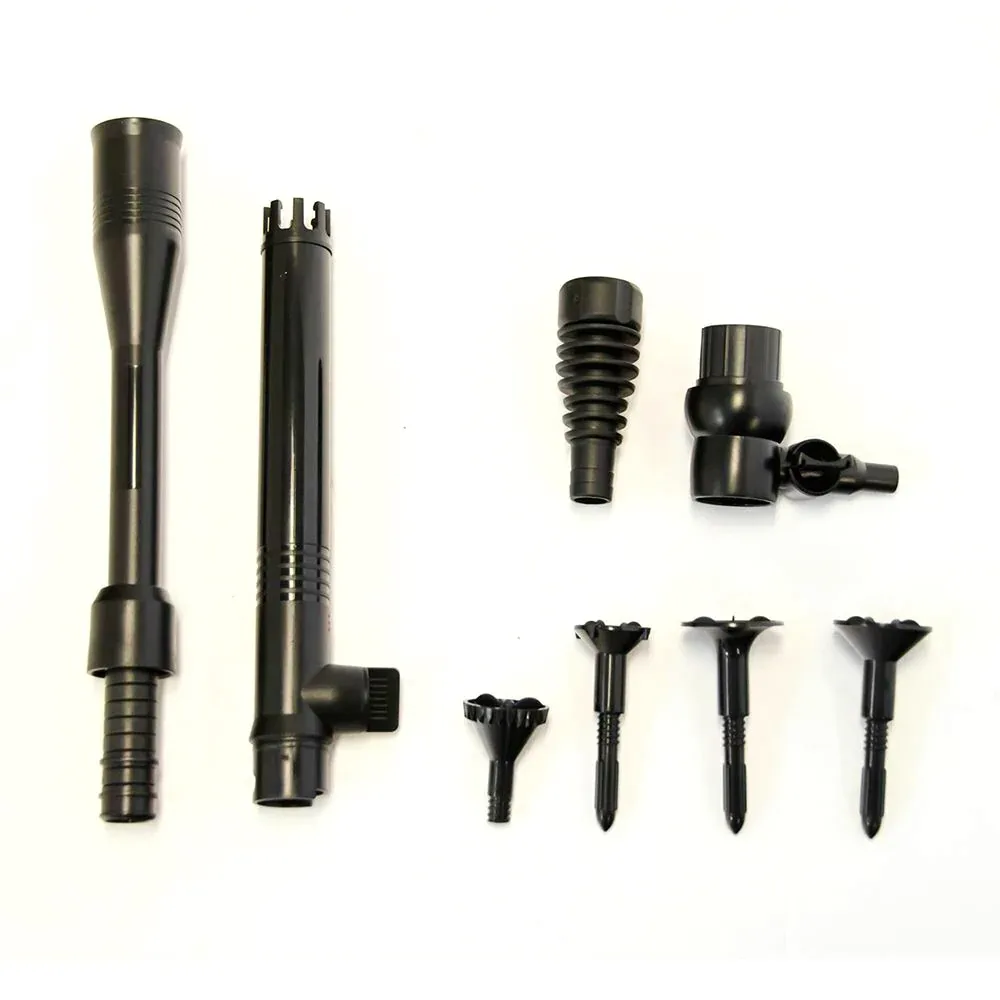
This involves selecting the correct fountain pumps, nozzles, piping, valves, lighting, control systems, and supporting equipment. The final system must produce the desired water effect while also being practical to operate and maintain.
This is where creative design and engineering need to work together.
OASE Technology and Fountain Design
OASE provides technologies that allow designers and project teams to explore a wide range of water feature possibilities.
From pumps and fountain nozzles to lighting and professional fountain systems, the technology can be selected according to the intended design.
For projects in Indonesia, PUMP brings these capabilities together with project-specific planning and water feature solutions.
The goal is not simply to install equipment. The goal is to create a water feature that belongs to the architecture and enhances the experience of the space.
Bringing the Vision to Life
Every successful water fountain begins with an idea.
It may be a simple desire to make a garden more beautiful, a vision for a hotel entrance, a landmark for a commercial development, or an unforgettable visual experience for an event.
With the right combination of water, light, movement, design, and engineering, that idea can become a physical experience.
At PUMP, together with OASE, we help turn water feature concepts into professionally designed fountain systems for projects across Indonesia.